

I retain emotion; I don’t express it. I’ve accumulated bilge from bad experiences from decades ago. It resurfaces occasionally. I deal with it by pressing on with life, which sounds more dramatic or psychotic than it really is. Ignoring things is a natural skill we all have, and it’s essential. I’d rather not know everything about myself. Like anything else, the more I investigate, the more mysterious the subject of my investigation becomes. I’m a mystery to myself. Art is a way in.
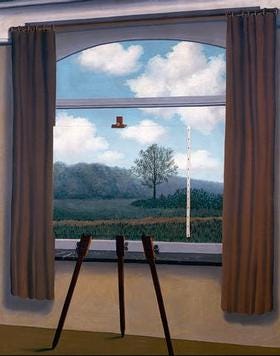
Art puts life at a safe distance. I can examine a fictional character’s life much more easily than my own. I don’t think that examination is very helpful for finding truth, though it is very enjoyable. Truth is what never changes, says Plato. I agree. One thing that never changes is I’m always me, and I will be for the duration of my life.
Plato said we shouldn’t allow art that imitates life. It’s an idea that’s gotten a lot of criticism. I used to hate it. Now I’m coming around to Plato’s point of view. Art is a deceiver. It draws my attention to things that aren’t real. Art makes me feel. Art overwhelms me.
I tried watching TV last night. It didn’t go well. Streaming is a disaster. After overcoming the tyranny of choice and settling on The Postman Always Rings Twice, Anna and I discovered we didn’t have the required subscription to see it. So we backtracked into what was on the subscription services we do have and found Mare of Easttown, a prestige television show from 2021 with Kate Winslet from Titanic. She was very good, and so was everyone else. The show looked and sounded terrific. Well written, well acted, well photographed, well produced, but it was awful. Relentlessly miserable and depressing. Anna and I got through 45 minutes and gave up.
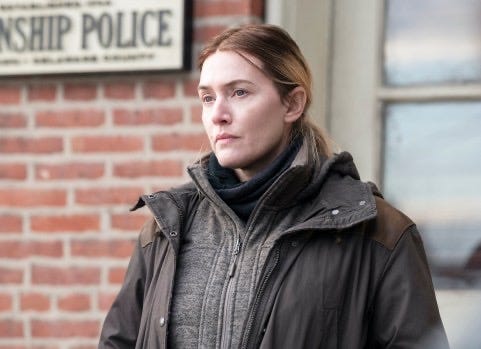
One review Anna found calls Mare of Easttown “a perfectly layered pastry of misery,” with each new layer containing its own flavor of injustice, blight, and bad decisions. It’s exactly why I don’t watch TV much. I don’t need to see teen mothers beaten and murdered, or husbands who cheat with said teen mothers, or alcoholics in hopeless jobs who resort to violence to express love. This is what passes for realism. It’s Hollywood’s hatred for middle America, a cross of Hillbilly Elegy with Agatha Christie. Prestige TV is just another flavor of Gilligan’s Island. If Gilligan can make a car out of coconuts, why can’t he make a boat? If Mare is so irresistible to friends and men, why is she such a wreck? These aren’t good questions to ask if you want to enjoy watching TV.
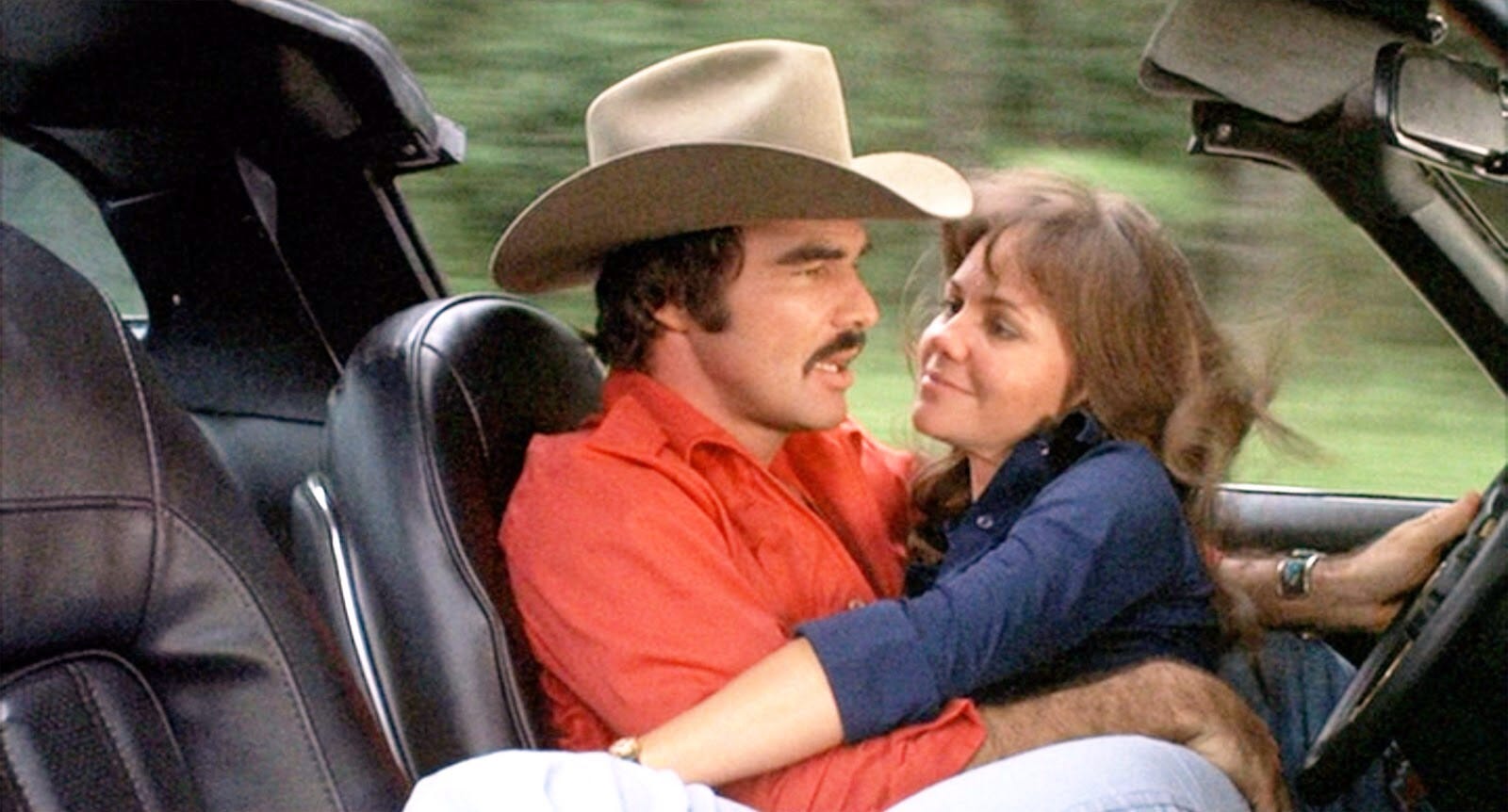
I’m reading The Two Towers, the second volume in the Lord of the Rings trilogy. It’s a fun read, but it’s also very dumb. Hans Christian Andersen is never dumb, and he makes me cry; Tolkien doesn’t. Andersen’s fairy tales are profound and beautiful and filled with an infinite sadness and wonder. Tolkien feels much heavier. He spends a lot of time describing the woods and mountains and streams. It’s not picturesque or vivid, but it is poetic, and he has a good time with it. Part of my enjoyment from the book is the sense of how much Tolkien enjoyed writing it. It’s his imaginary world, and it’s admirably complete, even if it’s been so over-referenced by other works that it feels cliché. Tolkien was the original that the copiers made into cliché. Mare of Easttown doesn’t feel like it was any fun to make, but who knows? Maybe it was a laugh riot, like a Smokey and the Bandit movie.
I don’t watch TV much for the same reason I don’t watch slasher movies or pornography much — I don’t want those images in my head. I can’t shake things off easily. I’m too uptight. How can I handle any situation with equanimity and courteousness? Not by obsessing about art. Art really is a shadow of a shadow. Beautiful but twisted. Tortured. A distraction. Not real. Yet I enjoy it so much. An hour and a half in a museum is enough to make me feel better about life all day, and for a few days after. A painting or sculpture makes me think and wonder and feel while I look at it, then I go to another one and feel and think and wonder something else. Feeling and thinking aren’t two different things. They’re the same. Thoughts are feelings expressed. Feelings are thoughts we can’t express yet, except maybe in art.
What does it mean that thoughts and feelings are the same? I’m convinced my dog Alice reasons. If she doesn’t, neither do I. She understands cause and effect, that events are associated with places and people. She’s driven by appetites just like me. We both want affection, comfort, companionship, praise, company, food, sunshine, excitement, rest after exertion, peace after suspense, things to explore and investigate, curiosity to satisfy and feed. She can learn and remember. She has feelings that work as well as thoughts. I do, too. Most of my feelings I can’t name. Alice and I are equally dumb on that point.
TV is dumb too, and that’s its attraction. Even prestige TV is dumb. The situations and characters and settings are all fake. “Don’t make it real, make it TV.” People don’t like real, but they like TV. That’s why it’s called escapism. We escape from what’s real. TV is perfectly real escapism. It’s an imaginary world. It’s playtime and dress-up. I’m not that interested in playtime. The problem of truth — what doesn’t change — is more interesting than imaginary play.
What are those things that never change? Plato called them the forms. Others have called Plato’s forms imaginary play. The speed of light doesn’t change. That’s truth. The relationship of the sides of a right triangle to its hypotenuse doesn’t change. Plato wrote Socrates’s character as a lover of Homer. He could quote long passages from memory and speak movingly about the quality of Homer’s poetry. But he also said Homer was wrong about many things. The gods would have no need to transform themselves into a pile of gold or a bull to seduce women because nothing is more beautiful than a god. Homer knew nothing about navigating a ship, though many thought he did. Poets know nothing but poetry. What they say about other occupations is made up. That’s what Plato said, and I completely agree. TV producers only know TV, so they have to make things up.
Imitative art takes us further from truth because it’s made up. AI imitates and makes things up. So maybe AI should be banned. I’m not against banning it. AI pretends to have a conversation with us, but there’s no mind there. There’s no intent other than to please us. AI and dogs are alike. They both want to make us happy and judge their success by our reactions. So does TV. AI is a tool that imitates intelligence. TV is a medium that imitates life, though mostly it imitates other TV shows. We can’t use TV to understand anything except TV. The same may be true of AI and dogs, too.
All art is fake except as an expression of the artist. As an expression of the artist, all art is completely real, but there’s no guarantee the art is meaningful for anyone other than the artist. So I’d better make art for myself.
”My conceptions and my judgment move only by groping, staggering, stumbling, and blundering; and when I have gone ahead as far as I can, still I am not at all satisfied: I can still see country beyond, but with a dim and clouded vision, so that I cannot clearly distinguish it.” — Montaigne
Here's to more reasonable dogs. And humans.
Great writing Tom!