
"We're only as sick as our secrets"
In praise of shame

“We’re only as sick as our secrets.” — recovery people
If that were true, I could tell you everything about me and become well. “I fart in my sleep. I feel so much better now for saying that!” Ridiculous. We’re as sick as our behavior. Immoral is a more accurate word than sick, anyway. Morality is about choice. That’s why we shouldn’t execute people who aren’t mentally competent. We shouldn’t execute anybody, really. We shouldn’t shame addicts, either.
Some things are beyond my control. When I smoked, I couldn’t help craving cigarettes. I quit smoking, and now I don’t crave cigarettes, but I do miss them, even if they’re nasty. No one has the right to make someone else uncomfortable to make themselves comfortable. I don’t have a right to light up a cigarette in a restaurant anymore. That’s my kind of law. It says, “You have no right to cause others pain to ease your own pain.”
Intimacy is knowing the good and bad about another person, like they fart in their sleep, but sharing details like “I fart in my sleep,” doesn’t make us more intimate. Some things are meant to be discovered rather than revealed. “We’re only as sick as our secrets” is a reaction to the shame we’d be better off not feeling, which isn’t all shame. Shamelessness is worse than never feeling shame. There are many things people have been ashamed of that aren’t worth the trouble, but some things are worth being ashamed of.
“I make high cost loans to poor people.” You should be ashamed.
“I get up in the middle of the night and eat the sheet cake I keep under my bed.” Is that shameful? No, it’s sad, which is very different.
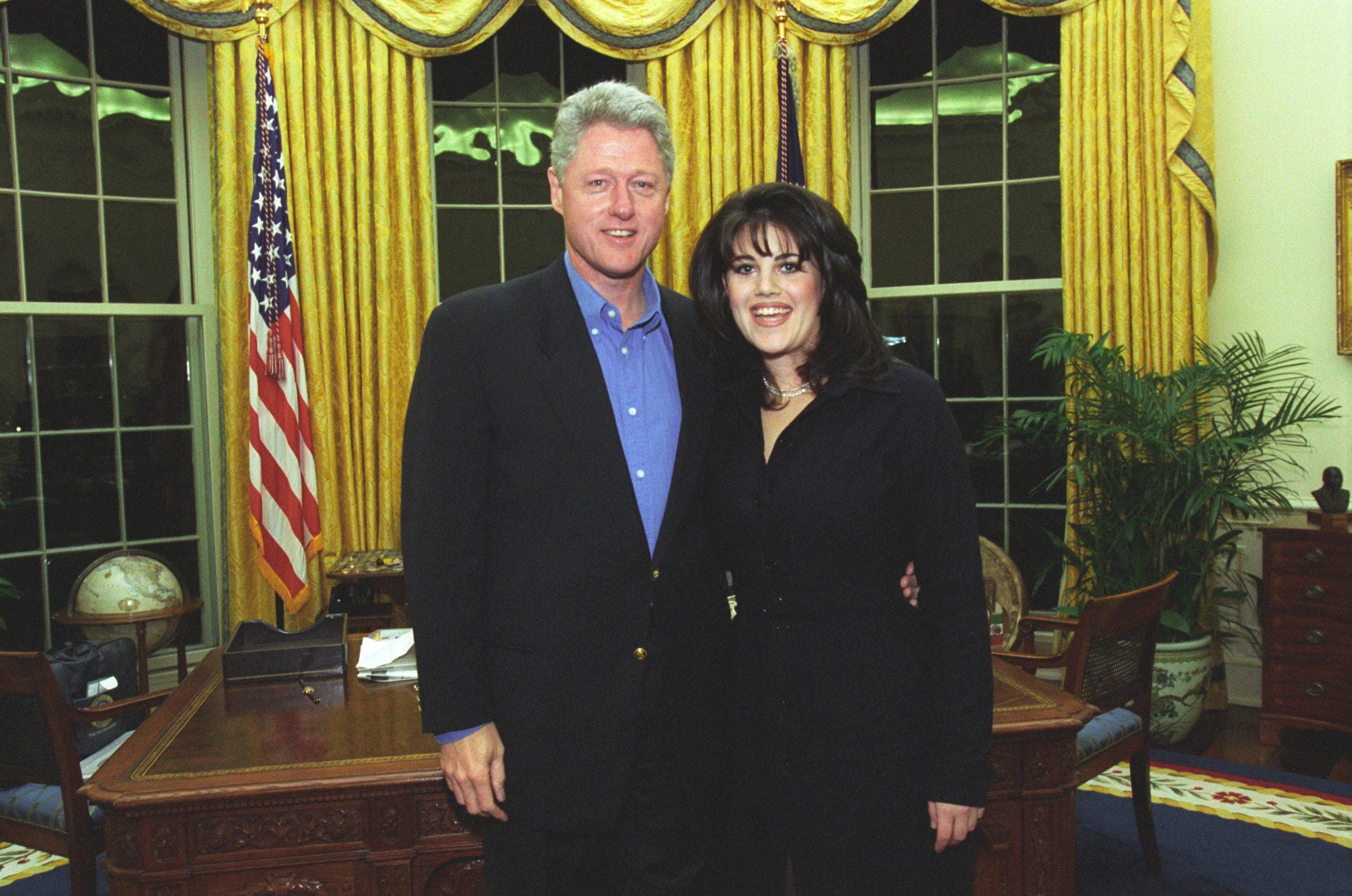
Maybe our current shameless era will reorient us to what’s worth being ashamed of, and we can bring back a more useful form of shame.
In John Grisham’s “The Firm” the main character cheats on his wife with an attractive woman who was hired to seduce him. In the book he keeps the infidelity a secret, but in the movie he tells her. Why? Presumably because the movie producers felt it would alienate ticket buyers if he kept his cheating a secret. That’s Hollywood. If he admits he cheated he’s a good man. Baloney. Cheating makes him less likable, not keeping the secret.
To make amends, he might confess his weakness and commit to being stronger, but not confess that specific act. He can confess specifically to himself and to God, if he has one. He doesn’t have to confess to his wife. Confessing to his wife will hurt her even if it makes him feel better. Doing something to help yourself that hurts someone else is cruel, even shameless. I’ve apologized several times to make myself feel better and in the act have hurt the person I was apologizing to. I didn’t realize I was doing it at the time. I felt good getting something off my chest. I didn’t consider how the other person would receive it. A selfish apology is worse than no apology.
Some things need to be shared with someone else, even if it hurts them. “I just lost $10,000 on sports betting, but I won’t tell my wife. It might hurt her.” That is a sick secret, and I’d be sick for keeping it. But it’s not the secret that makes me sick. It’s sports betting for high stakes. We’re only as sick as our vices. Some vices we’re so ashamed of we keep them secret.
I eat ice cream after Anna goes to bed. She knows it. It’s not a secret as much as a ritual. The worst time to eat ice cream might be 10 pm, but it’s not something I’m ashamed of, unless I eat half a carton, and I buy the expensive little cartons. If I’m eating the ice cream because I don’t want to go to bed with her, that’s a sick secret, or a secret that will make me sick and make my marriage sick if it goes untreated. But that’s not why I eat ice cream at 10 pm. I eat it because I like how it tastes.
I’m a fraud if I want shame only in other people’s lives but not in my own. How can shame be a good thing for me? There are things in my past I should feel bad about. Torturing myself over them does no one any good, but I shouldn’t feel good about them, I shouldn’t not regret them, or totally forget them.
“Forgive yourself, but remember.” – someone smart
When I torture myself over a long past mistake… (transgression? What’s the right word? 3+3 = 7 is a mistake. Cheating on your wife needs a stronger word.) When I torture myself over a sin, if I’ve humbly repented and tried to make amends where amends makes sense, I can remind myself that I’m forgiven. Maybe a story would help.
Growing up my two brothers and I loved music. We still do. When I went to college I took several records with me that I knew were my brothers’ records. Eventually I mailed them back when I was trying to make amends. I may have kept the best ones - I can’t remember if I bought my own copies or kept some of the ones I loved, but there are records in my collection that my brothers had, and don’t belong to me if I didn’t buy duplicates, which I might have. Perhaps I just returned the ones I didn’t like that much. Cheap grace. It doesn’t matter now because no one listens to records.
Should I be ashamed that I may have only made a partial amends? If I did make half an amends it would be in character. Half measures are my middle name. Taking your brothers’ records isn’t something that should generate as strong an emotion as shame. Only returning the ones you don’t want might be.
Self deprecation is useful, but not more useful than shame. Self deprecation is like a paring knife while shame is an axe - both are useful, and they can’t be substituted for one another, but you may use a paring knife every day, and an axe only rarely. Shame is crippling by design. Shame stops behavior. There was a time when fear of public shame prevented some behaviors. Now sex tapes make us famous. As Kim Kardashian’s mother confessed when her daughter’s sex tape became public, “As a mother I was horrified, but as her manager…” Call me old fashioned, but I prefer public stocks to sex tapes. Used infrequently and in small doses, shame, like pornography, can be a good thing.
I’m not interested in writing right now. I’m interested in conversation. The world has too much writing and not enough conversation. Conversation flows, has give and take, is changed by obstacles and doesn’t ignore them or try to flatten them like much of writing does. Conversation is spontaneous. Writing is formal; conversation is relaxed. I want to converse with the pixels and with myself. I’ll leave writing with all its assurance to others.
“Only the fools are certain and assured.” – Montaigne